





Behind the scenes: Foundation Scotland through the eyes of our CEO
As part of our ongoing 30th anniversary celebrations, we sat down with our Chief Executive, Giles Ruck, to reflect on how far Foundation Scotland has come, and what’s changed (and what hasn’t) along the way…
When you joined Foundation Scotland 25 years ago in 2001, what did you think you were walking into, and what made you say yes to the job?
I had a bit of a sideways entry. At the tail end of the 90s I was working in a youth organisation in Edinburgh and, alongside others, we came together to bid for the Millennium Awards programme. We didn’t have grantmaking experience, so we approached what was then the Scottish Community Foundation. When the project moved under their management in 2001, I went too – becoming the sixth member of staff. I could clearly see the impact that small grants were making. We were agile, creative, and had close relationships with the groups we supported. It wasn’t a big organisation, but I could sense the potential. I knew there was something here worth building, and that made saying yes an easy decision.
Tell us about the day to day running of the Foundation back when you joined - how did applications arrive? And once decisions were made, how did money get out the door?
Very differently to today! Believe it or not, we had just one computer between all of us. Applications came in by fax, handwritten letters through the post, and grantees would call us and we’d record it all for them. We could manage that with the scale at that time – but can you imagine doing that now? As for distributing funds… we sent out cheques in the post! It was all very hands-on and relationship-driven. Decisions were supported by a ‘Grants Council’ – around 30 to 40 people across the country who would meet applicants, visit projects and spread the word. That’s genuinely how people found out about us – we didn’t even have a website until 2004. And once decisions were made? We sent cheques out in the post. It worked at the time – but it’s hard to imagine managing today’s scale like that.
 What skills from your career pre-Foundation Scotland have helped you in your role of Chief Executive?
At the youthwork project I led our fundraising, and project management and that’s held me in really good stead. It gave me a deep understanding of what it takes to raise money, to build relationships with donors, and to connect people to causes they care about. That skillset is still central today.
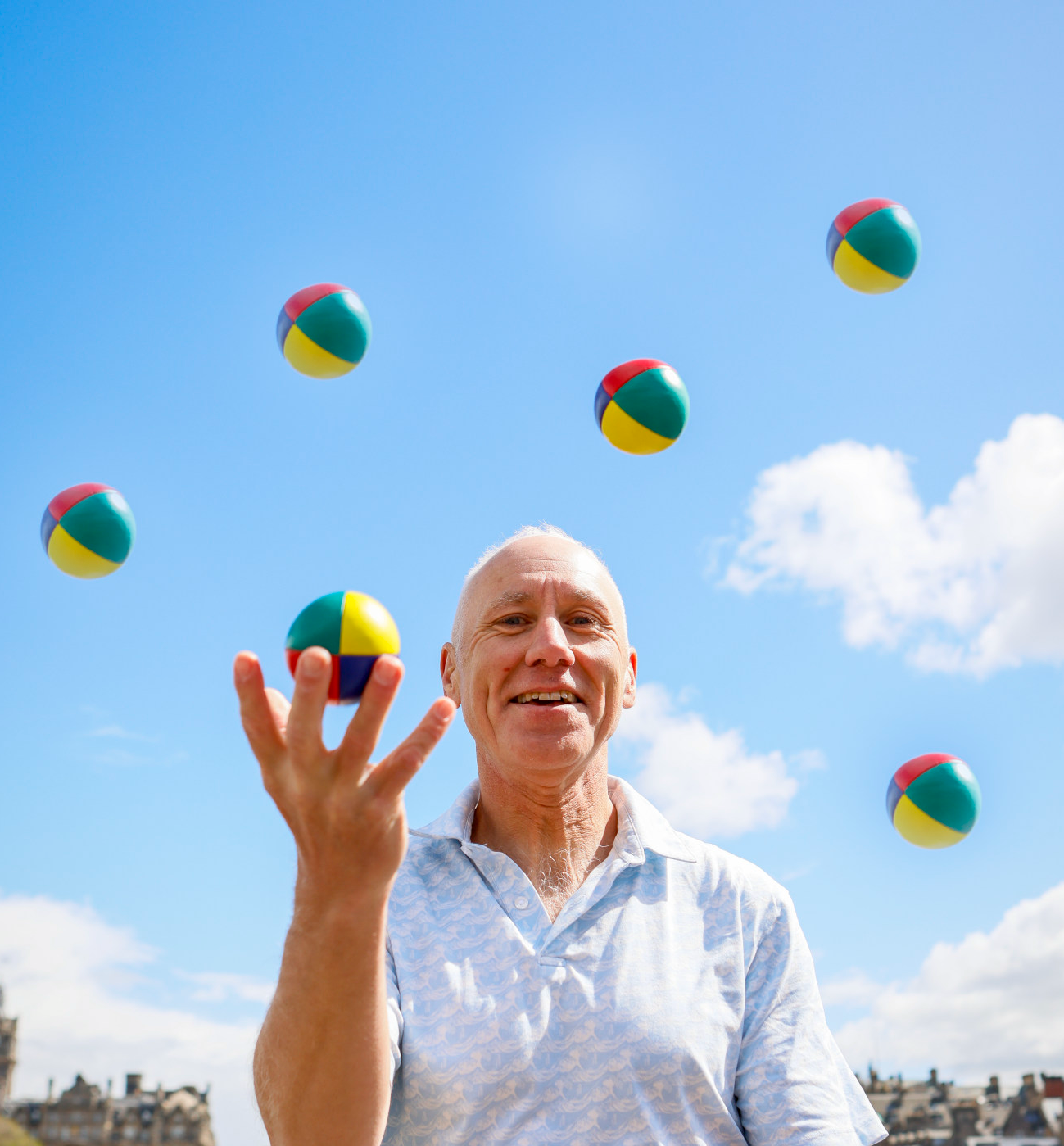
Before that I trained as a teacher, so I was used to being resourceful and working in unpredictable environments where you have to think on your feet. And even earlier… I took part in juggling workshops – and there’s definitely a comparison to be made about juggling…That’s not a bad metaphor for this job!
What do you consider to be the toughest moment for the organisation so far?
There were a few moments, particularly in the 2010s, where we deliberately chose to grow – and that always comes with an element of risk. At the time it could feel uncertain, stepping into something bigger before you fully know how it will play out. But those decisions were important. The sector needed more funding, and we were right to respond. Looking back, those moments of uncertainty became our growth spurts, and enabled us to grow into the organisation we are today.
And conversely, what’s a moment that genuinely made you stop and think: “wow, we’ve come a long way” - any real ‘pinch me’ moments? There have been many. When I started, we were distributing shy of £1 million a year – last year it was £46 million. That in itself is a big shift. But it’s not really about the money – it’s what that funding has enabled.
Every grant represents impact for someone, often for many people. And one of the most powerful things is seeing communities we started working with become self-sufficient. We’ve sat round kitchen tables with groups at the very beginning, helped them grow and develop, and they’ve helped us learn how to be a relationship-based funder.
Now those groups are flying, and have led incredible change for the better in their communities. That’s something to be really proud of.
What do you think has changed most over the past 30 years in terms of what communities need from us?
Communities have had to become more resourceful. We all know that government can’t provide everything, so groups are finding new ways to sustain themselves. We see communities diversifying their income – setting up shops, running services, making great use of their assets, and sometimes taking ownership of land and buildings. There’s a much more entrepreneurial approach in many places now, and we’ve evolved to support that, including through our social investment work.
What’s something people might assume has changed massively over time… but actually hasn’t?
Small grants still make a huge difference. Even relatively modest amounts of funding can have a big impact locally. And relationships remain at the heart of everything we do. That hasn’t changed at all – it’s still the foundation of how we work.
What’s your favourite “you couldn’t make this up” moment from your time here?
Probably just the fact that we once ran a national grantmaking organisation with one computer, a fax machine and actually a lot of trust! It sounds unlikely now, but that was the reality. I’m sure the team (and the postie’s back!) are probably all pretty happy we aren’t receiving hundreds of hand written paper applications every day…
What advice would you give to your 2001 self to help prepare for leading the Foundation in 2026?
Keep thinking big. Trust your intuition – that focusing on independent funding is the right thing to do. Keep building relationships, because small conversations often lead to much bigger opportunities. Oh, and actually go and invest in video conferencing, it’s going to be essential!
 Looking ahead, what gives you most optimism about the future of Foundation Scotland?
The people. It’s always the people – our staff, trustees, volunteers, donors and the communities we work with. They are generous, thoughtful, kind and driven by a desire to make a difference. That collective energy and commitment is what gives me real optimism for the future.
And lastly, if you were not leading Foundation Scotland, what would you be doing?
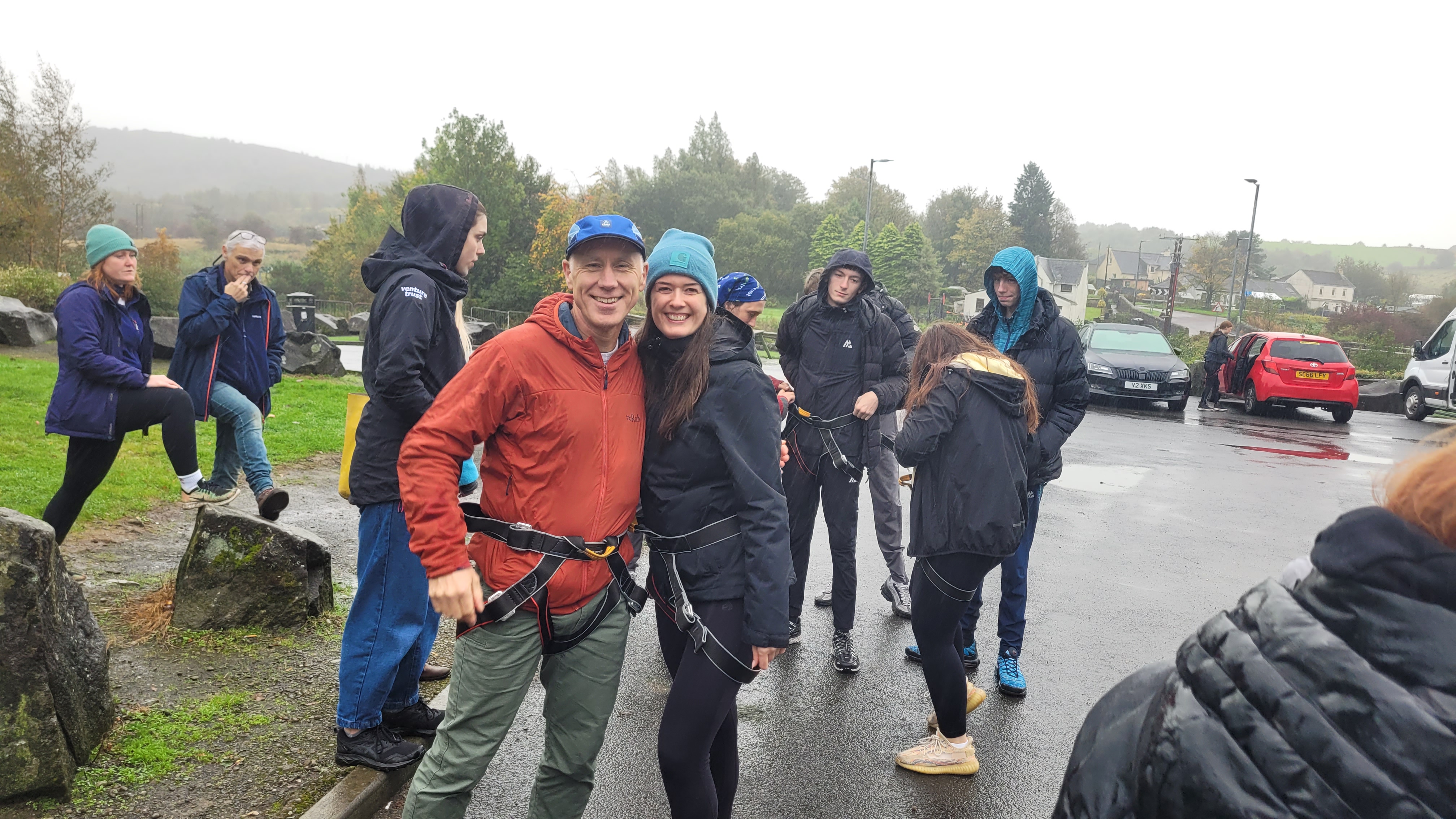
I’d be running in the mountains.