





Cardenden Decides makes a huge community impact
Aligned with IVAR’s open and trusting principles, the Nadara Westfield Wind Farm Community Fund Panel handed decision-making directly to the community, via Cardenden Decides, a participatory grantmaking event.
IVAR (the Institute for Voluntary Action Research) promotes open and trusting grantmaking, encouraging funders to share power, centre community voice, and move beyond compliance-focused governance. Foundation Scotland is a proud signatory to IVAR's principles, and this case study reflects what that commitment looks like in practice.
Background
The Nadara Westfield Wind Farm Community Fund has supported local groups in Cardenden since 2014 through a resident-led Panel. Over time, the Panel noticed a pattern: application volumes were declining and the same groups were coming forward. They wanted to do something different, not just to widen reach, but to genuinely shift who holds power in local funding decisions.
Aligned with IVAR’s open and trusting principles, the Panel handed decision-making directly to the community. The result was Cardenden Decides, a Participatory Grantmaking Event held in November 2025 at the Bowhill Centre.
Governance Through an IVAR Lens
Good governance is not only about sound financial management or clear processes. IVAR’s framework asks a deeper question: who holds power, and is it being shared? Cardenden Decides offered a strong answer.
Rather than applications being reviewed behind closed doors, ten local groups presented their proposals publicly. Over 150 residents attended, each with three voting tokens. Entry was verified by postcode, keeping the process genuinely local. Crucially, voting rights were extended to young people, recognising that those most affected by community investment deserve a meaningful role in shaping it.
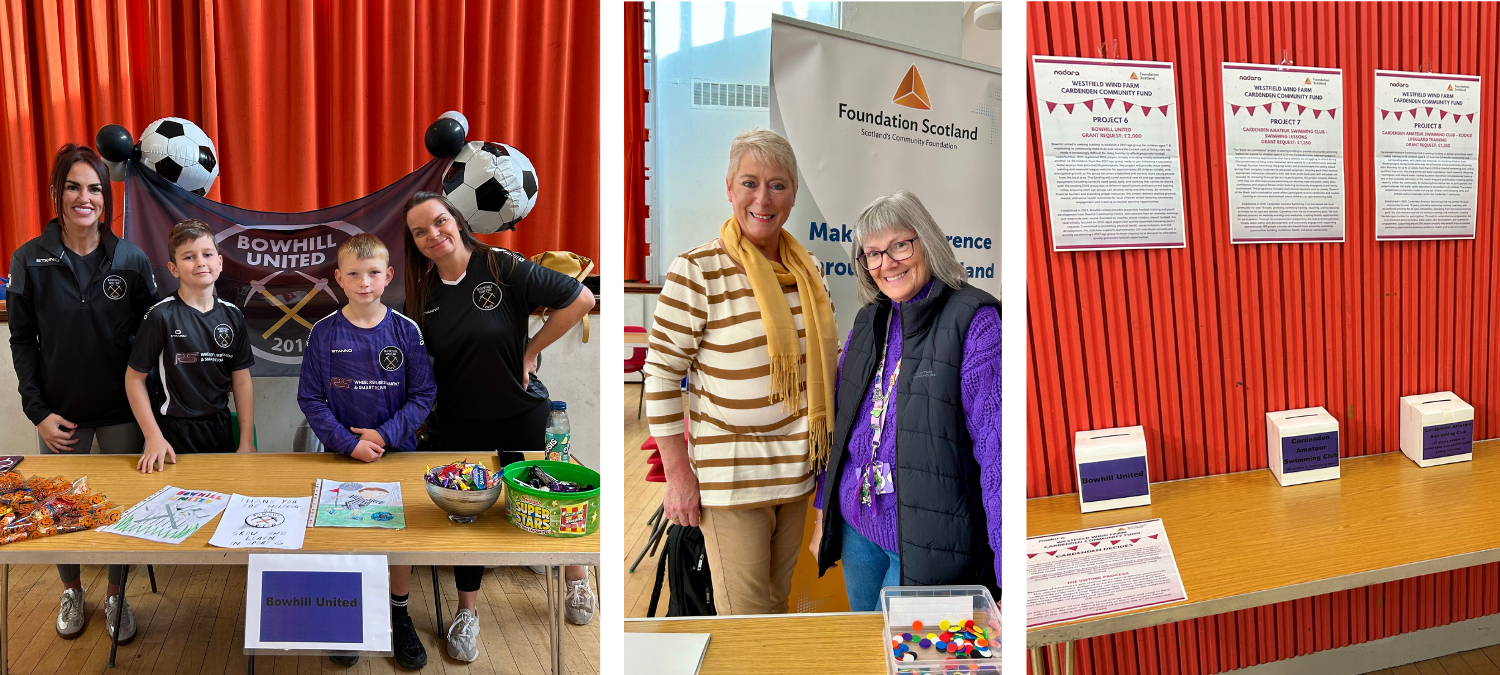
IVAR’s principles of transparency, trust, and accountability are visible throughout: the community could see which groups were applying, what they requested, and directly influence the outcome. The Panel retained a ratification role while shifting decision-making weight to those the fund exists to serve.
Niome Lucjan, Community Funds Advisor, Foundation Scotland, said;
| "The turnout of over 150 residents demonstrates a real appetite for communities to have a direct say in how funding is distributed locally. Every voice could be heard and every vote counted." |
Young People and the Vote
One of the most significant decisions made by the Panel was to extend voting rights to young people. Children and young people are among those most directly affected by community investment, from sports clubs to youth programmes, yet traditional grantmaking rarely consults them. Cardenden Decides treated young people as equal participants in a democratic process, not an afterthought.
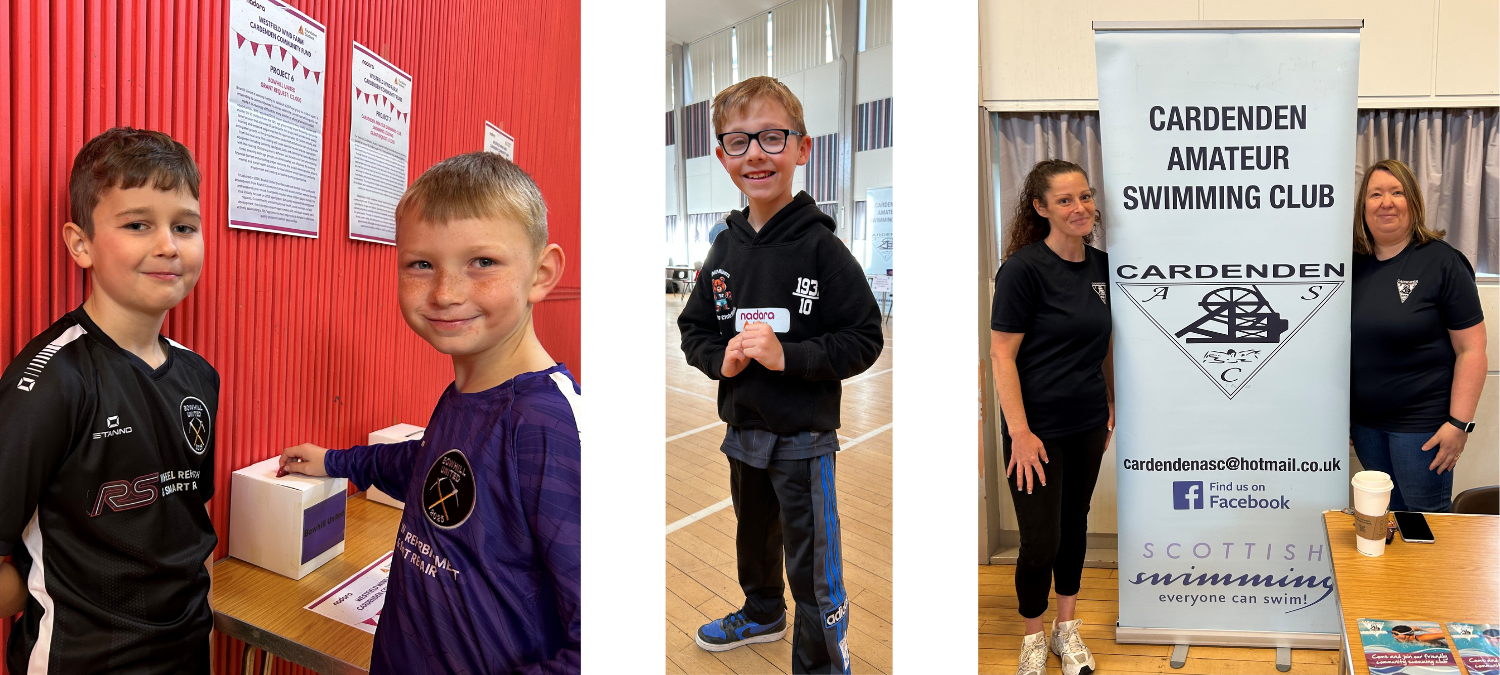
The impact was immediate. Jaxon, aged seven, captured it simply: “I loved having a chance to vote, it will help my football team train.” His enthusiasm reflects something broader: when young people are genuinely invited to participate, they do, and their engagement enriches the process for everyone.
For grantmakers considering a similar approach, the question is straightforward: if your funding affects young people, should they not have a say in how it is spent? Cardenden suggests the answer is yes, and that the practicalities are far simpler than they might seem.
What Happened on the Day
Local groups set up display stations around the Bowhill Centre, giving residents the chance to speak directly with project representatives, ask questions, and review applications before casting their votes.
The process delivered clear results. Bowhill United received the most votes (123), followed by Bowhill Karate Club (99) and Bowhill Retirement Group (54). Committed to ensuring no group left empty-handed, the Panel awarded all groups their full requested amount, with the top three receiving additional top-up funding.
Where Are the Groups Now?
What makes this case study compelling is not just what happened on the day, but what has happened since. The three top-voted groups show how community-endorsed funding translates into real change.
Bowhill United — Growing the Game
Since receiving their award, Bowhill United has doubled in size. New equipment and creative training have kept young players engaged and inspired more children to join. For a club in a financially deprived area, this growth means more opportunities and more young people with somewhere to go and something to work towards.
Isla Clark, Bowhill United said;
| "This is game changing for our football club — we can purchase new equipment and be creative with training to keep the kids inspired. We are all so overwhelmed." |
Bowhill Karate Club — Building Belonging
Bowhill Karate Club provided all participants with club-branded uniforms. Members report a stronger sense of belonging and renewed commitment to their martial arts journey. The funding has enabled the club to reinforce inclusion through both small gestures and lasting impact.
Louise Bishop, Treasurer & Black Belt, Bowhill Karate Club saird;
| "We are thrilled to receive this award — the funding will make a tremendous difference to our club, our participants, and their families." |
Bowhill Retirement Group — Connected and Capable
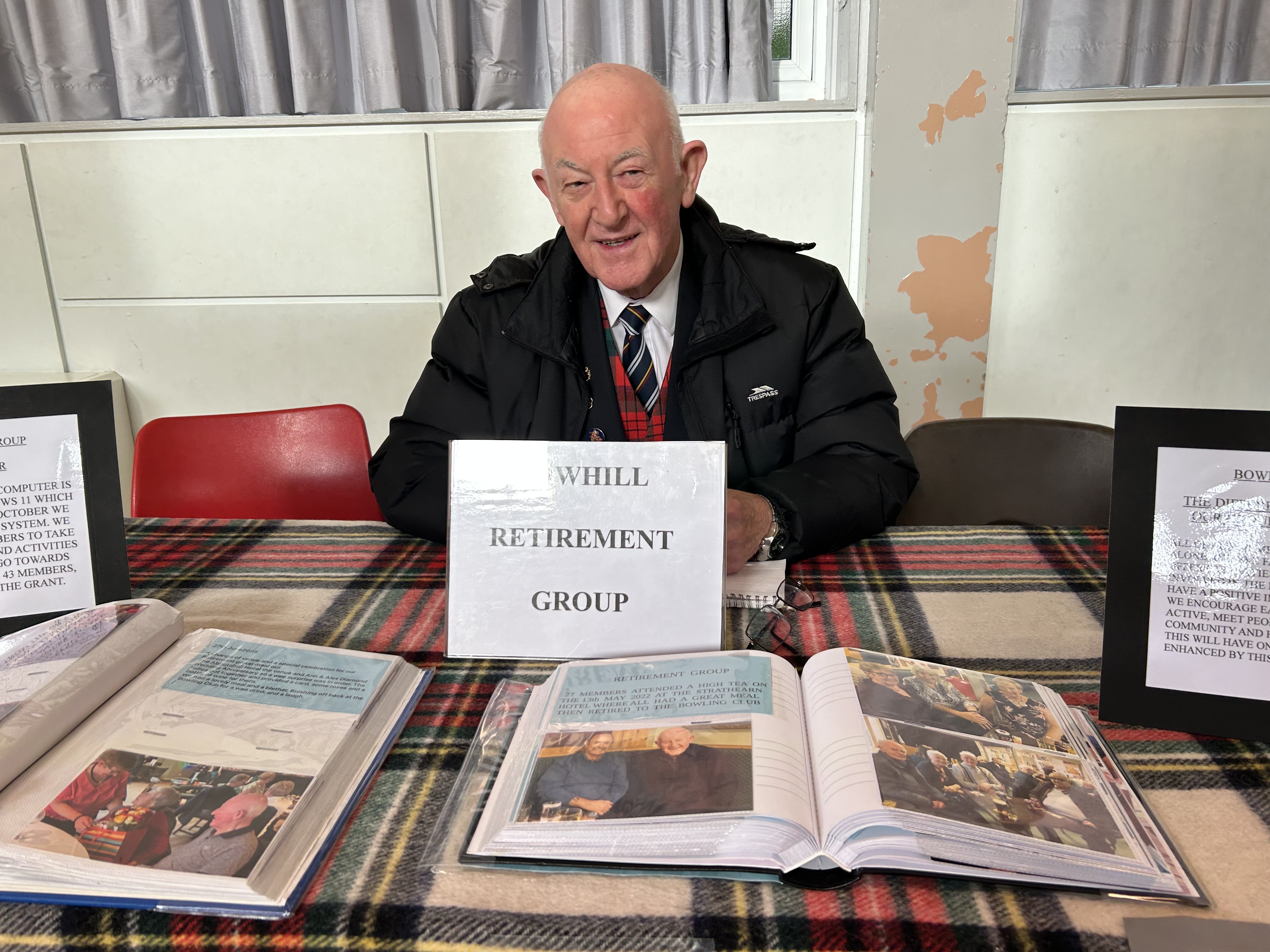 The Bowhill Retirement Group used their award to replace their computer system and launch a programme of events. Older residents now have the IT resources to manage their club, stay connected, and engage with the wider digital world, supporting not just the organisation, but members’ independence and wellbeing.
Reaching New Groups
A key motivation for trying participatory grantmaking was the recognition that the same groups applied year after year. Cardenden Decides changed that: around 50% of applicants had never previously approached the fund. The event’s visibility, promoted through social media, community networks, and local councillors, created an invitation that felt accessible to groups who found traditional processes off-putting or simply didn’t know the fund existed. A fund that reaches more of its community is a fund fulfilling its purpose.
The Role of Partnership
The event did not succeed in isolation. Fife Council and local councillors played an active role in promotion and on the day, showing how collaboration between funders and local authorities amplifies impact. Councillor Rosemary Liewald attended to support participating groups and noted how the event reflected Cardenden’s community spirit.
Even the detail that some residents voted by proxy due to ill health speaks to how seriously the community took their role. When people feel genuinely invited, they find ways to participate.
Councillor Rosemary Liewald said;
| "Events like this are so important because they put decisions directly in the hands of local people. I want to give a huge thank you to Foundation Scotland for their invaluable support in making it possible." |
Reflections of Outcomes
Cardenden Decides is not a one-off story. It is a replicable model showing what changes when funders act on IVAR’s principles.
The Panel embraced its governance responsibilities throughout. By ratifying results and ensuring all groups received funding, it demonstrated that sharing power deepens accountability, making it more visible, democratic, and trusted.
For any grantmaker asking how to build community confidence, reach harder-to-find groups, or make governance more inclusive, Cardenden offers a clear answer: start by asking who is not yet in the room, and then open the doors.
Read more about the Nadara Westfield Wind Farm Community Fund in Cardenden here.