





Carrington Village Hall: a five-year journey from rescue to revival
Strategic funding from the Carcant Wind Farm Community Benefit Fund (Moorfoot) helped save Carrington Village Hall from the brink of closure.
At the time Foundation Scotland began administering the Carcant Wind Farm Community Benefit Fund (Moorfoot) in 2019, Carrington Village Hall was facing serious challenges, and there was a significant risk that this important community asset would close without financial support.
Over the following years, strategic funding from the fund, totalling just over £17,200, transformed the hall from a vulnerable facility on the brink of closure into a thriving, energy-efficient, and financially resilient community hub.
The Challenge
A Hall at Risk (2019-2020)
In 2019, Carrington Village Hall Association was managing the hall with minimal financial resources, generating only a few thousand pounds annually. With virtually no reserves and limited capacity for improvements or emergencies, the organisation faced increasingly difficult circumstances.
The COVID-19 Crisis (2020)
The coronavirus pandemic in 2020 brought the situation to crisis point. With the hall forced to close, income streams dried up while essential costs continued. The community launched fundraising initiatives and applied for emergency grants, but financial pressure remained severe. The situation was compounded by reduced volunteer numbers, leaving one person managing the hall single-handedly. With no income and ongoing costs for insurance and maintenance, the trustees faced the difficult prospect of permanent closure.
The Turning Point
In the midst of the pandemic crisis, Carrington Village Hall Association took a crucial step by applying for support from the Carcant (Moorfoot) Fund. During the assessment phase, Foundation Scotland’s careful evaluation revealed the full extent of the hall’s vulnerability. The assessment process identified not only the immediate financial pressures but also critical governance challenges, with just one person managing the hall single-handedly, the organisation lacked the resilience and capacity needed for sustainable operation. The assessment revealed the fundamental fragility of the hall’s position, with minimal reserves, a governance structure stretched beyond capacity, and the very real prospect of permanent closure.
Foundation Scotland’s initial assessment became a catalyst for action, recognising this was not simply a temporary cash flow issue but a community asset at genuine risk of being lost. Importantly, the assessment process itself helped the community understand the scale of the challenge facing the hall, particularly around governance and volunteer capacity. This clarity proved important in galvanising the community response.
Following the assessment, the governance concerns were reviewed by the community. A committed group of volunteers came together to address the challenges, bringing fresh energy and capacity to the hall’s management. This new group recognised both the risk the hall faced and their responsibility to preserve the hall for the community’s future. Their willingness to step forward and take on governance responsibilities marked a turning point, transforming the hall from a struggling organisation dependent on a single volunteer into a committed group capable of strategic planning and sustainable operations.
The Response: Strategic Emergency Support
First Emergency Grant (June 2020)
In June 2020, the Carcant Moorfoot Fund awarded £1,000 in emergency support. This grant was specifically designed to:
• Cover critical utility bills and immediate expenses
• Provide additional financial breathing space beyond the group's request of £800
• Ensure the hall could retain the asset for future community use
The assessor's rationale was clear: given that closure could last longer than initially anticipated and the group's minimal reserves, £1,000 would provide crucial additional support beyond their conservative estimate.
Second Emergency Grant (October 2020)
In October 2020, with the pandemic continuing to impact operations, a second grant of £660 was awarded. By this point, the hall had partially spent the first grant, with ongoing income losses and continuing essential expenditure. The fund recognised that while Carrington accounted for approximately 10% of the three local halls' collective financial activity, it remained a significant community asset requiring sustained support through the extended pandemic period.
Recovery and Investment: Building for the Future
Infrastructure Improvements (2022)
As the hall emerged from the pandemic, the focus shifted from survival to sustainability. In July 2022, the Carcant Moorfoot Fund awarded three grants to support with replacement lighting, hall running costs and a three-year grant to contribute to recurring costs (2022-2025).
Environmental Sustainability (2023-2024)
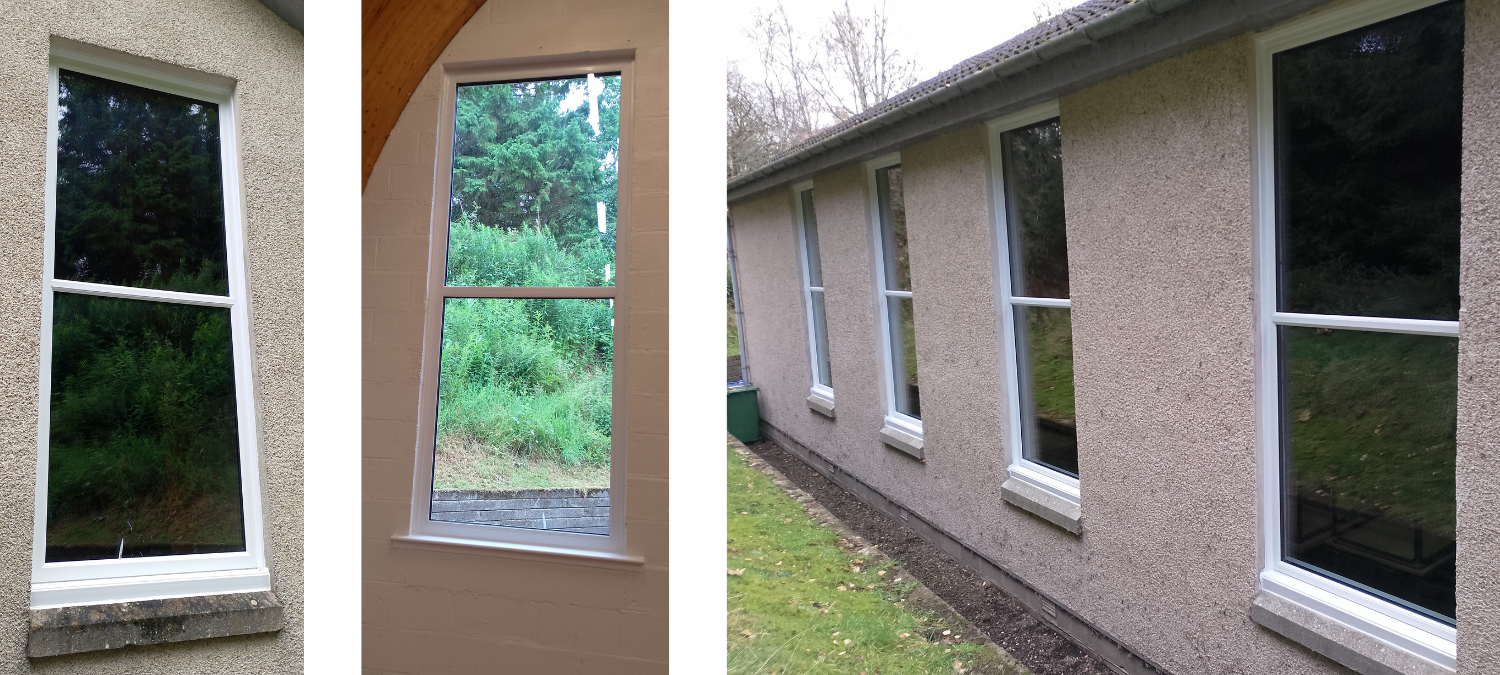
Recognising both the cost-of-living crisis and the importance of environmental sustainability, the fund provided ongoing support through multiple interventions. Beginning in mid-2023, funding was allocated for immediate running costs during the cost of living crisis and for environmental improvements to enhance energy efficiency. The following year saw continued investment in the building's fabric, including window replacements and insulation measures such as loft insulation and pipe lagging. In 2024, a multi-year grant was awarded to provide stability for core running costs through 2027, ensuring the hall could continue serving the community while managing rising operational expenses.
Continued Growth (2025)
In September 2025, the Fund awarded an additional £1,500 for window replacement, further enhancing energy efficiency and creating a more welcoming environment for the rural community. This particular awarded acted as a catalyst to leverage an additional £4,800, which led to all remaining windows in the hall being replaced. By this point, Carrington Village Hall had been described in assessments as 'increasingly well-used,' demonstrating the success of the sustained investment.
Conclusion: A Model of Sustained Support
From a position of acute vulnerability with virtually no reserves in 2020, the hall has achieved remarkable transformation. The success story is fundamentally one of governance renewal, a committed new management group emerged from the ashes, galvanised by the Fund’s strategic support. This dedicated group of volunteers took on the challenge of preserving the hall, bringing the leadership capacity and vision needed to secure its future.
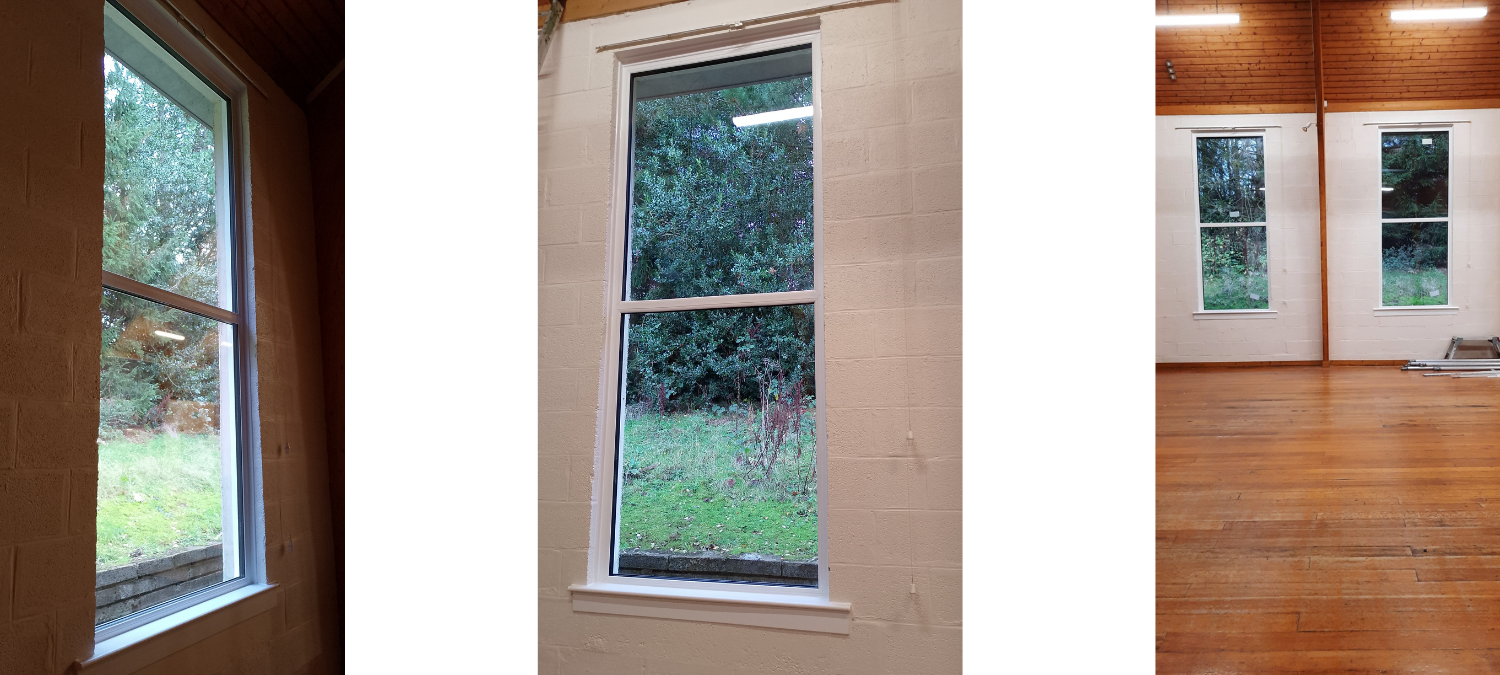
With strong governance in place, the group was able to make strategic use of the grants, achieving enhanced financial resilience through emergency support, long-term stability through multi-year core funding commitments, and reduced operational costs through energy efficiency improvements.
Most importantly, the hall has evolved from a facility at risk of closure to an ‘increasingly well-used community hall facility’ serving the local rural community.
The Carrington Village Hall story demonstrates how thoughtful assessment combined with sustained funding can catalyse community action. Foundation Scotland’s initial assessment identified not just financial challenges but fundamental governance vulnerabilities. This honest evaluation helped the community understand what was at stake, mobilising a committed group of volunteers who stepped forward to lead. The grants that followed empowered this new group to act decisively, implementing strategic improvements while building the hall’s long-term resilience. The partnership between Carrington Village Hall Association and the Carcant (Moorfoot) Fund exemplifies how strategic, sustained funding, combined with strong community leadership, can transform a community asset from vulnerability to vitality.
Read more about the Carcant Wind Farm Community Benefit Fund (Moorfoot)