





Valuing volunteers in Strathpeffer
The Old Strathpeffer Railway Station Trust was awarded £2,035 to fund additional staff time for volunteer recruitment, development, and support to ensure the long-term viability of the Highland Museum of Childhood.
The Old Strathpeffer Railway Station Trust owns the old Victorian railway station and its gardens, where it operates the Highland Museum of Childhood and leases other units to a number of small local businesses (the museum coffee shop, a beauty salon and a new community-run shop which specialises in sustainable, ethical and locally produced items). The museum itself attracts around 7,000 visitors per year, and it is estimated that thousands more visit the facility to access other services, the gardens, and local trails.
Cuts to core funding have meant a reduction in staff hours over the years, and the Museum currently operates seasonally and is open around 5 days per week, spring to autumn.
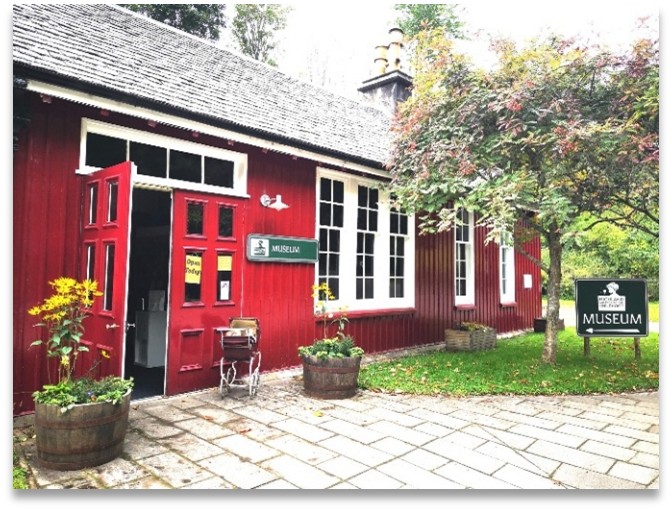 There is one paid staff member - a manager/curator who is employed 18 hours per week. A team of volunteers is also required to allow the museum to open to the public. There are currently five volunteers involved in helping to staff the museum, and they each do one half-day shift per week, with the manager covering the other five half days. There are around five other volunteers who maintain the garden area around the station buildings.
The number of volunteers has fallen to around half the number pre-COVID. Some got involved in other volunteering when the museum was closed and have not come back. Some were early retirees who had to go back to work due to the cost of living. In order to continue to operate, the Trust needs to retain and upskill current volunteers and recruit more helpers to ensure the museum can continue to develop and thrive into the future.
The aim of the project was to provide additional staff time to recruit and support volunteers to ensure the long-term viability of the Museum of Childhood. The project would fund an additional ten hours per month for nine months for the museum manager to deliver development training for existing volunteers, focus on new volunteer recruitment and form a volunteer support network with other community heritage projects in the area.
Morven, museum manager, said:
“The Highland Museum of Childhood is in a much stronger position, with more skilled and confident volunteers who are eager to come along and join in with behind-the-scenes collection management tasks now. The allocation of extra hours to the manager for volunteer development through this project has been invaluable.
The level of interaction with volunteers behind the scenes during this project would not have been possible without this funding and it has become apparent that the organisation would benefit from either a dedicated volunteer coordinator to lead volunteers with this work, or the organisation will need to self-fund dedicated time for the curator to work with volunteers in this way going forward.
The group has continued to meet over the summer months and is looking forward to getting back to meeting on a weekly basis when the museum closes in November, with a wish list of tasks already identified by volunteers. The project has also given volunteers increased sense of purpose and meaningful social opportunities.” |
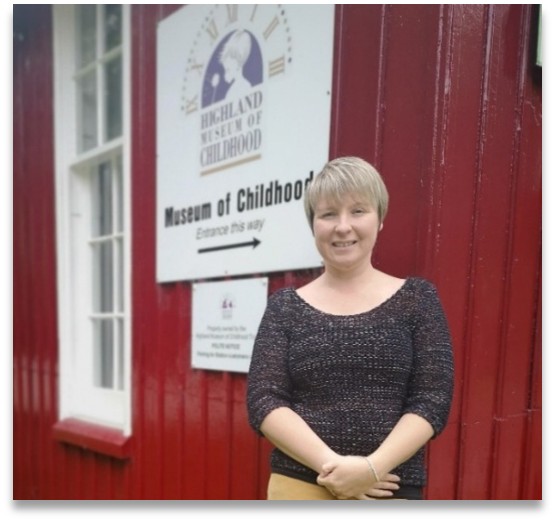
Morven was pleased that so many positive outcomes were reached from the project objectives, albeit with varying degrees of success. Whilst they only recruited three new volunteers through the project, they forged new relationships with the local secondary school and the local community link worker and worked with them to identify future opportunities for new volunteers.
As well as revising in-house policies and procedures relating to volunteering and workforce development, they also put frameworks in place to allow students to carry out work experience placements at the museum.
Now that these frameworks are in place, they hope to welcome the first placements later in the year. Working with the community link worker has been valuable and has prompted them to revive an initiative developed in response to social isolation during the Covid pandemic – when social isolation restrictions were in place, they developed a range of volunteer job boxes to allow volunteers to continue to participate in collections management tasks such as labelling, research and photography, from home.
They worked with another local Museum – Dingwall Museum – to create a peer network of volunteers, providing opportunities for volunteers from both museums to meet and chat with each other, visit each other’s museums to see how the organisations worked, and share existing skills and knowledge, as well as gaining new skills and knowledge through curator-led training sessions.
A range of volunteers participated in these activities – customer service volunteers, collections work volunteers, and volunteer trustees who oversee management and development in their organisations.
Training opportunities, policy review, and network meetings were steered by the Museum of Childhood’s manager, who was able to develop relevant personal knowledge and understanding by attending seminars and conferences, and participating in relevant forums as a result of dedicated time towards strengthening volunteering within the organisation.
The extra paid hours allocated to the manager for volunteer development also allowed for the museum’s volunteer group to meet weekly throughout the autumn and winter, and monthly throughout the spring and summer to carry out collections work as a group – developing skills, building confidence, and strengthening relationships with the museum’s volunteer team.